.png)
_svg.png)
%20Clam-Shell%20Metal%20Bellows.jpg)
Clam-Shell Bellows
Clam-shell bellows are split-type metal expansion joints designed for quick, efficient retrofits and maintenance without dismantling surrounding equipment. Ideal for emergency repairs and large-scale industrial systems, they offer durable, leak-proof performance. Manufactured from stainless steel or high-strength alloys, they provide thermal and vibration protection in complex piping systems.

What Is A Clam-Shell Bellows?
A clam‑shell bellows is a split metallic bellows assembly designed to be installed around an existing pipeline or expansion joint without removing surrounding equipment. The bellows is manufactured in two or more longitudinal sections, allowing installation in locations where access is restricted or where cutting out long pipe sections would be costly and time‑consuming.
Clam‑shell designs are commonly referred to as:
-
Split bellows;
-
Split expansion joint;
-
Clamp‑on bellows (when mechanical clamping replaces full welding);
-
Retrofit bellows expansion joint.
These assemblies are used primarily for repair and retrofit applications, restoring system integrity with minimal downtime.
The defining feature of this product is that the the clam-shell bellows are manufactured in sections to allow installation in restricted access conditions, particularly when cutting out long sections of pipework, removing equipment or dismantling surrounding structures would be costly and time‑consuming.
Whether a clam‑shell bellows can be installed without cutting the pipe depends on several practical factors:
• Available envelope and access;
• The interface requirements;
• The condition and geometry of the existing system;
• Whether an oversized or same‑size clam‑shell is required.
Each solution is engineered to match the real‑world constraints of the installation site, ensuring safe, reliable performance.
When Clam-Shell Bellows Are The Right Choice
Clam‑shell bellows are typically selected for situations where a conventional expansion joint replacement is impractical or too slow. Common applications include:
• Emergency repair when an existing metallic bellows has failed and system integrity must be restored quickly;
• Retrofit upgrades where vibration, thermal movement or fatigue is causing damage but access is limited;
• Controlled shutdown windows where downtime is tightly scheduled and full pipe removal is not feasible;
• Restricted‑access installations such as congested pipe racks, machinery spaces, enclosed ducts, or buried or boxed‑in pipe runs;
• High‑impact disassembly scenarios where removing pipework would require major dismantling of equipment, insulation or supports.
In urgent failure scenarios, combining a clam‑shell design with a rapid‑response programme can significantly reduce downtime - see FastTrack Service.
A clam‑shell bellows must still perform as a fully functional expansion joint once installed. Key engineering intent areas include:
• Movement capability - axial, lateral, and angular movement must be accommodated without overstress;
• Pressure and temperature integrity - the assembly must withstand the full operating envelope;
• Pressure‑thrust management - correct anchoring and guiding remain essential;
• Practical installation method - welding access, clearance, and safety must match real site conditions;
• Failure‑mode prevention - addressing misalignment, over‑travel, vibration, poor guiding, or inadequate anchoring.
The retrofit‑friendly nature of clam‑shell bellows does not remove the need for correct movement assumptions, restraint strategy or system analysis - in fact, these become even more important when repairing a compromised system.

Typical Sectors & Applications
Clam‑shell bellows are used across industries where movement absorption is required but access is limited, or where a rapid, temporary repair must be installed without removing major pipework or equipment.
Typical applications include:
-
Power Generation - steam lines, hot reheat lines, utility piping, retrofit upgrades and shutdown‑critical emergency repairs;
-
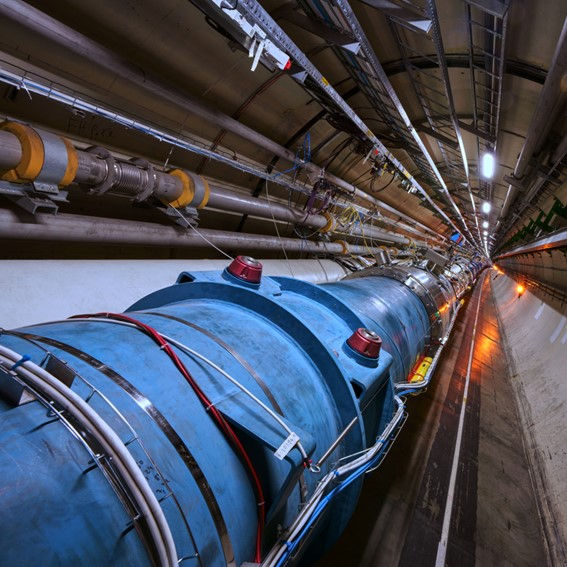
Marine & Offshore - machinery‑connected pipework in confined spaces, vibration‑prone systems and corrosion‑affected metallic bellows;
-
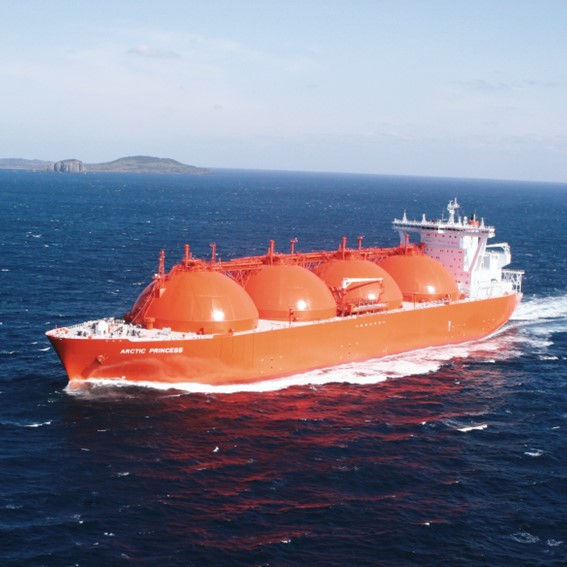
Oil & Gas (including LNG) - modular skids, pipe racks, cryogenic service lines and systems with severe access constraints;
-
Industrial Process Plants - maintenance‑driven replacements, reliability upgrades and fatigue mitigation in congested pipe runs;
-
Specialist Engineering Systems - high‑integrity environments where downtime, safety, verification and controlled installation are critical.

steam and utility lines, plant retrofits, shutdown-critical repairs
machinery-connected pipework in tight spaces, corrosion-prone environments

modular skids, pipe racks, systems with access constraints

maintenance-driven replacements and reliability upgrades
where downtime, safety and verification are high priority

find your industry on our 'Sectors' page
Design Considerations Unique To Split Or Retrofit
Clam‑shell bellows designs are driven as much by real‑world installation constraints as by operating conditions. Because they are installed around existing pipework, the engineering approach must account for access, alignment, restraint strategy and durability in ways that differ from conventional expansion joint design.
We typically conisder:
Access and Installation Method:
-
Assembly clearance - sufficient space is required for positioning the split sections, welding, bolting and tooling;
-
Line isolation - determine whether the line can be depressurised, drained or physically moved, or if it must remain fixed in place;
-
Envelope restrictions - insulation, cladding, structural steel, cable trays or adjacent machinery may limit access;
-
Temporary supports - rigging, jacking or bracing may be required to stabilise the line during fit‑up and welding.
Movement and Restraint Strategy:
-
Movement type - confirm whether the application requires axial movement only or controlled lateral or angular flexibility;
-
Thrust management - tie rods, hinges, gimbals or other hardware may be required to manage pressure thrust and keep movement predictable;
-
Restrained configurations - some retrofit scenarios call for partially or fully restrained designs to protect compromised pipework.
Alignment and Real-World Tolerance:
-
Existing offsets - ageing pipework often carries distortion, settlement or historic misalignment;
-
Controlled fit‑up - split designs must accommodate these tolerances without forcing the line into a harmful position;
-
Travel limits - mechanical stops may be required to prevent over‑compression or over‑extension during operation.
Durability in Harsh Environments
-
Environmental exposure - outdoor, marine, offshore or contaminated environments may accelerate corrosion or fatigue;
-
Protective covers - shrouds, guards or insulation jackets may be required to protect the bellows during installation and service;
-
Hardware selection - fasteners, clamps and ancillary components must be chosen for corrosion resistance and long‑term maintainability.

Construction, Materials, & Options
Clam‑shell bellows can be engineered with a range of options tailored to the operating duty and the practical realities of installation. Typical configurable elements include:
-
Metal bellows selection - materials and ply configuration chosen to suit pressure, temperature, corrosion resistance and fatigue life;
-
Connection interfaces - weld ends, flanges, collars or custom interfaces designed to match existing pipework and site constraints;
-
Protective covers or shrouds - used to protect the bellows during handling, installation and service, especially in harsh or contaminated environments;
-
Movement‑control hardware - tie rods, limit rods, hinges or other arrangements to support controlled movement and reduce the risk of over‑travel;
-
Documentation and inspection scope - project‑aligned inspection plans, NDT, pressure testing and certification to meet site or regulatory requirements.
For high‑pressure or severe‑duty applications, it may be necessary to consider Thick‑Wall Bellows. In such cases, the bellows element used inside a clam‑shell assembly may require a higher‑integrity construction to safely manage pressure thrust and cyclic loading.
Inspection & Testing Support (As Specified)
Where required by project specification, clam‑shell bellows supply can be supported with appropriate inspection and testing, such as:
-
Non‑destructive testing (NDT) and weld inspection (where applicable);
-
Pressure testing and leak testing aligned to duty and spec;
-
Documentation packs supporting traceability and verification requirements;
(Exact scope is defined by your specification and the application.)
How To Request A Quote (What We Need)
For clam‑shell bellows projects, the quality of the site information drives the quality of the design. To quote, please send:
-
Photos of the existing installation (both wide and close-up);
-
Pipe size, orientation and available envelope (length/diameter/clearances);
-
Operating and design pressure and temperature (including transients if relevant);
-
Media (steam, exhaust gas, air, water, oil, chemicals, etc.);
-
Required movement (axial/lateral/angular) and any known vibration issues;
-
Details of the existing joint (if replacing): failure mode, dimensions, any marking or ID;
-
Access constraints: what can/can’t be removed, shutdown window, tooling clearance;
-
Any required inspection or testing and documentation expectations.
Send photos with a drawing or spec, and we’ll confirm feasibility, recommend an approach, and quote a clam‑shell solution aligned to your installation and duty.
FAQs About 'Clam-Shell Bellows'
What’s the difference between a clam‑shell bellows and a standard expansion joint? A clam‑shell bellows is designed to be assembled around an existing line for retrofit or repair access. A standard expansion joint is typically installed as a complete unit during new build or when pipe sections can be removed.
Can clam‑shell bellows be installed without cutting pipework? In many retrofit cases that is the goal, but feasibility depends on available envelope, interface requirements and site constraints. We design around your real installation conditions.
Are clam‑shell bellows suitable for vibration? They can be, provided the movement or vibration duty and restraint strategy are correctly defined and the installation avoids misalignment and overload.
Do you supply urgent replacements? Yes - where downtime is critical, we can advise on the fastest feasible route and whether a FastTrack approach is appropriate.
What is the fastest way to get a quotation? Send clear site photos, pipe size, duty conditions (pressure/temperature/media), movement requirements, and the access constraints and shutdown window.
Read more FAQs here


