.png)
_svg.png)
%20Metal%20Bellows%20%5BALT%5D_edited.jpg)
Metal Bellows
Bellows are flexible, corrugated tubing used to absorb movements, vibrations, expansions and contractions in piping systems. Bellows are typically made of metal - stainless steels, Inconel, Incoloy, Monel, Nimonic, Hastelloy, titanium - so as to withstand extreme pressure, temperature and positioning variations while maintaining flexibility and functionality. Teddington specialises in precision engineering these products that are essential in reducing stress on any system pipeline.

What Are Metal Bellows?
A metal bellows is a thin‑walled, corrugated metallic component that can flex repeatedly while maintaining integrity under pressure and temperature. Metal bellows are used to:
-
Absorb axial, lateral and angular movement in pipework;
-
Reduce stress at equipment nozzles and connection points;
-
Isolate vibration from rotating machinery (pumps, compressors, engines);
-
Provide controlled flexibility in high temperature or demanding industrial environments.
If your search terms include 'metal bellows', 'stainless steel bellows', 'metal expansion bellows' or 'bellows expansion joint', this page is focused on the bellows element itself (not the full Metal Expansion Joint assembly).
Metal Bellows Options & Specifications
We manufacture custom metal bellows to suit project requirements, including:
-
Materials - stainless steel bellows and other corrosion‑resistant alloys (selected to suit duty);
-
Construction - single‑ply and multi‑ply bellows;
-
Movement capability - axial, lateral and angular movement (including combinations);
-
Cycle life - engineered for expected operating cycles and fatigue requirements;
-
End features - prepared for integration into assemblies (e.g., welding to ends, collars, interfaces);
-
Geometry and envelope - designed to fit tight spaces and specific hardware arrangements.
Metal bellows can be supplied as:
-
A bellows element for integration into your assembly, or;
-
As part of an engineered package (see Metal Expansion Joints for complete assemblies with hardware).

Formed vs. Welded Metal Bellows
Selecting the correct bellows construction is a key driver of performance and cycle life.
Formed bellows
Formed bellows are manufactured by forming corrugations into a tube. They are often selected where:
-
The duty conditions suit standard formed geometries;
-
A robust, repeatable bellows design is required;
-
Envelope constraints and movement requirements align with formed profiles.
Welded Bellows
Welded bellows are built from diaphragms welded together, and are often preferred where:
-
The duty is more fatigue‑critical or movement is high for the available space;
-
You need flexibility in design geometry and performance characteristics;
-
The application demands tighter control over stress distribution and life.
If you’re unsure which type is suitable, we can advise based on movement, pressure, temperature, cycles and installation constraints.
Engineering Support (Design, Verification & Integration)
A bellows is rarely a 'drop-in' part. Performance depends on sizing, restraint strategy and installation. We support projects with:
-
Guidance on bellows selection for movement, pressure and temperature;
-
Design support to reduce risk from misalignment, overload and poor restraint strategy;
-
Optional verification methods where needed (e.g., analysis for stress or fatigue‑critical duties);
-
Integration guidance where the bellows will sit inside a complete assembly (liners, covers, hardware, end interfaces).
This engineering-led approach helps avoid common causes of premature failure, including over‑travel, excessive lateral offset, and uncontrolled anchor loads.

Typical Sectors & Applications
Bellows can be used in more applications in more sectors than we could possibly put down here. Anywhere there could be any movement, vibration or pressure and temperature change in any system (including but not limited to pipework or ducting), then you are likely to find expansion joints.
Regardless, here are some examples of the sectors we tend to supply bellows to:

steam, condensate, exhaust, flue-related piping systems

skid pipework, pipe racks, modular assemblies
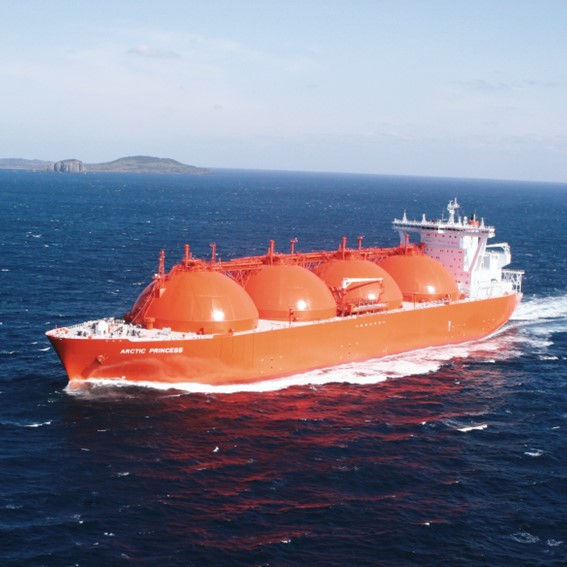
LNG (Liquefied Natural Gas), LPG (Liquified Petroleum Gas), scientific research facilities
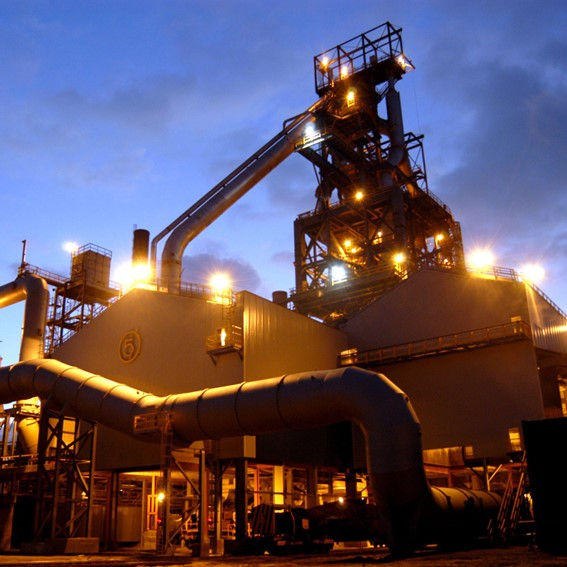
utilities, chemical processing, manufacturing pipe systems

heated and chilled air venting

find your industry on our 'Sectors' page
(If you need rigid pipe assemblies or spools rather than flexible joints, see Metal Piping.)
Inspection & Testing Support (As Specified)
For many industrial projects, inspection and verification are as important as geometry.
Depending on your project specification, bellows supply can be supported with appropriate inspection and testing such as:
-
Non‑destructive examination and weld inspection (where applicable);
-
Pressure testing and leak testing as required by the assembly specification;
-
Documentation packs aligned to your quality and traceability requirements.
(Testing and documentation are always defined by the project specifications and the duty.)
How To Request A Quote (What We Need)
To quote for metal bellows, please send:
-
Line size and/or diameter and available envelope (space constraints);
-
Operating and design pressure;
-
Operating and maximum temperature (including transients if relevant);
-
Media (steam, exhaust gas, air, oil, chemical, etc.);
-
Required movement (axial, lateral, angular) and how often it cycles;
-
Target cycle life or expected operating cycles;
-
Interface details (how the bellows will connect or integrate);
-
Any required inspection, testing or documentation.
Send your drawing or spec and we’ll confirm feasibility, recommend a construction type (formed vs. welded), and provide a quotation.
FAQs About 'Metal Bellows'
Are metal bellows the same as metal expansion joints? At Teddington, we like saying that the metal bellows is the flexible element, and a metal expansion joint is the full assembly that may include multiple bellows, ends fitting, hardware (ties/hinges), liners and protective features.
Do you manufacture stainless steel bellows? Yes - stainless steel is a common choice for metal bellows, with other alloys selected where duty demands it.
Can metal bellows handle vibration? Yes, but they must be designed for vibration amplitude, frequency, pressure and expected cycles, and installed with correct restraint and alignment.
What’s the difference between single‑ply and multi‑ply bellows? Multi‑ply bellows consist of more sheets of metal that are convoluted into shape. Multi-ply constructions can be used to tune flexibility and fatigue performance; selection depends on movement, pressure and life requirements.
What is the fastest way to get a quotation? Send your drawing or spec and the key operating conditions (pressure, temperature, media, movements and cycles).
Read more FAQs here


